Autism & Mental Health: Co-occurring Conditions & Support Using RAADSR Screening
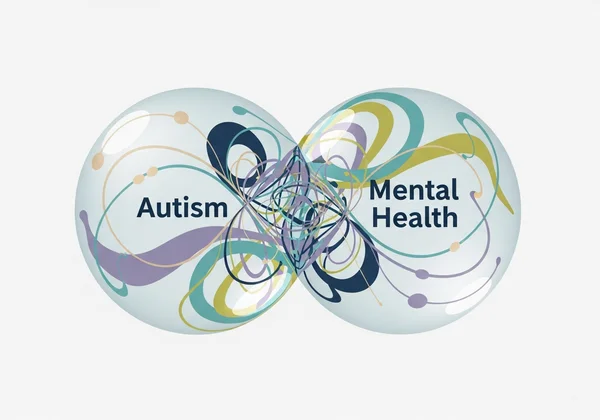
Many people on the autism spectrum find themselves navigating mental health challenges like anxiety, depression, or OCD. This experience is incredibly common, yet often misunderstood. The connection between autism and mental health is deep, and understanding it is the first step toward finding effective, compassionate support.
Have you ever felt that your mental health struggles are deeply connected to something more fundamental about how you experience the world? You are not alone. This article explores the important link between autism and mental health. We will discuss why these challenges often appear together, how symptoms can look different in autistic individuals, and how you can find support that truly understands and respects your neurotype.
Gaining clarity about your own traits can be a powerful part of this journey. For many, a structured self-reflection tool provides a valuable starting point. If you're looking for insights, you can start your exploration with a free screening inspired by the RAADS-R.
Why Mental Health Challenges Are Common in Autism
Living in a world primarily designed for neurotypical people creates constant stress for autistic individuals. This ongoing friction is a major reason why co-occurring mental health conditions are so prevalent. Two key experiences contribute significantly to this strain: masking and sensory overwhelm.
The Impact of Masking and Autistic Burnout
Masking, or camouflaging, is the conscious or unconscious effort to hide autistic traits to fit in. This can mean forcing eye contact, mimicking social behaviors, or suppressing natural stimming (repetitive movements). While it can be a useful survival strategy, the energy it requires is immense.
Constantly performing a neurotypical version of yourself is mentally and emotionally exhausting. Over time, this intense effort can lead to a state of profound exhaustion known as autistic burnout. It’s more than just feeling tired; it’s a complete shutdown of physical, mental, and emotional resources. Burnout can look like severe depression, increased meltdowns, or a loss of skills and can have a devastating impact on mental health.
Sensory Sensitivities, Social Challenges, and Overwhelm
Many autistic people have heightened sensory systems. Bright lights, loud noises, strong smells, or certain textures can be physically painful and overwhelming. When you navigate a world with unpredictable sensory input, your nervous system remains in constant high alert. This state is a major driver of anxiety.
Similarly, social interactions can be draining. Trying to decode unspoken social rules, process verbal and non-verbal cues simultaneously, and manage small talk requires immense concentration. This constant social processing, combined with sensory stress, can easily lead to a state of overwhelm, making everyday situations feel unmanageable and isolating.
Common Mental Health Conditions Co-occurring with Autism
Because the autistic experience can involve unique stressors, certain mental health conditions are more common. However, they often present differently than they might in neurotypical individuals, which can sometimes lead to misinterpretation or missed diagnoses.
Depression in Autistic Adults: Recognizing Unique Signs
Depression in autistic people may not always look like classic sadness or crying. It can show up in ways that are more specific to the autistic experience.
Key signs might include:
- Intensified Shutdowns: Needing more time alone and being less able to engage with the outside world.
- Loss of Interest in Special Interests: A significant warning sign is when a person loses passion for their deep, specialized interests.
- Increased Executive Dysfunction: Finding it even harder to initiate tasks, stay organized, or make decisions.
- Physical Symptoms: An increase in fatigue, digestive issues, or physical pain without a clear cause.
Anxiety Disorders & Autism: Beyond Social Worries
While social anxiety is common, anxiety in autistic individuals is often much broader. It can be a constant companion, fueled by different aspects of daily life.
Common sources of anxiety include:
- Fear of the Unexpected: Changes in routine or unpredictable events can be extremely distressing.
- Sensory Anxiety: The constant threat of being overwhelmed by sensory input can create a baseline of high alert.
- Performance Anxiety: Worrying about "getting it right" in social situations or meeting expectations at work or school.
- Generalized Anxiety: A persistent feeling of worry or dread that isn’t tied to any one specific thing.
OCD, Eating Disorders, and Other Intersections
The link between autism and other conditions is also significant. Obsessive-Compulsive Disorder (OCD) can co-occur, though it’s important to distinguish between OCD compulsions and the comforting, self-regulating repetitive behaviors (stimming) common in autism.
Eating disorders are also more prevalent, often linked to sensory sensitivities around food texture, taste, and smell, as well as a need for routine and control. Understanding that these challenges may stem from underlying autistic traits is crucial for finding the right kind of support.
Integrated Support: Seeking Neurodiversity-Affirming Care
Managing your mental health when you're autistic requires an approach that honors, rather than tries to change, who you are. This is the core of neurodiversity-affirming care. It focuses on building skills and providing accommodations that work with your autistic brain, not against it.
Finding Therapists & Professionals Who Understand Neurodiversity
Finding the right support can be life-changing. When looking for a therapist or counselor, seek out professionals who explicitly state they are "neurodiversity-affirming."
This means they will:
- Respect autism as a natural variation of the human mind.
- Avoid trying to teach you to "act less autistic."
- Help you understand your unique strengths and challenges.
- Focus on strategies to reduce burnout and accommodate your sensory needs.
Developing Coping Strategies and Self-Advocacy Skills
A good therapist can help you develop practical tools for wellbeing. This includes learning to manage your energy (sometimes called "spoon theory") to avoid burnout and creating environments that reduce sensory stress.
Self-advocacy is another vital skill. This means learning to communicate your needs clearly and confidently, whether it’s asking for accommodations at work, setting boundaries with family, or simply giving yourself permission to unmask and be your authentic self in safe spaces.
Exploring Autism Traits: How a Screening Tool Can Help (RAADSR Test)
For many adults who have struggled for years with unexplained mental health issues, learning they might be autistic is a moment of profound clarity. It provides a new framework for understanding a lifetime of experiences. If you suspect your challenges are connected to underlying autistic traits, a self-screening tool can be a helpful, private first step.
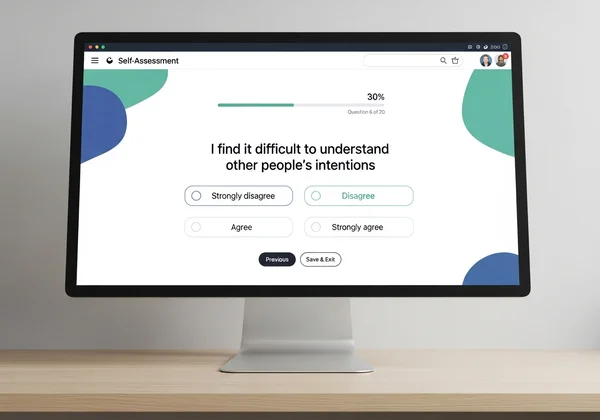
Our RAADS-R inspired test is designed for this kind of self-reflection. It is not a diagnostic tool, but it can help you explore traits related to social connection, sensory experiences, and special interests. Seeing your results can provide language for your experiences and empower you to seek further, more targeted support. If you are curious, you can take the free test anytime.
Your Journey Towards Holistic Well-being & Self-Understanding
The connection between autism and mental health is clear. If you've experienced anxiety or depression, it's not because there's something wrong with you—it's often a natural response to navigating a world that wasn't designed for your neurotype.
Understanding this connection is the key to unlocking a better path forward. By recognizing the impact of masking, burnout, and sensory overload, you can begin to find strategies and support systems that affirm your neurotype. Self-knowledge is the foundation of self-advocacy and well-being.
Ready to take the first step in understanding your unique profile? Explore your traits with our free, confidential screening tool and begin your journey of self-reflection today. Begin your assessment and gain valuable insights.
Frequently Asked Questions About Autism & Mental Health
Can autism symptoms be mistaken for anxiety or depression?
Yes, absolutely. The overlap can be significant. For example, social withdrawal in autism might be mistaken for social anxiety or depression. Similarly, the intense focus of a special interest could be misinterpreted as obsessive behavior. Understanding the underlying autistic traits is key to accurate support.
What is "autistic burnout" and how does it impact mental health?
Autistic burnout is a state of intense physical, mental, and emotional exhaustion caused by the cumulative stress of masking and coping with an overwhelming environment. It often looks like a severe depressive episode or anxiety flare-up, and it can lead to a temporary loss of skills and an increased need for isolation to recover.
Should I consider an autism screening if I have chronic mental health issues?
If you have a long history of anxiety, depression, or other mental health conditions that haven't responded well to traditional treatments, exploring the possibility of autism is a reasonable step. Sometimes, these conditions are secondary to the stress of being an undiagnosed autistic person. Our screening tool can be a helpful starting point for this exploration.
Where can I find neurodiversity-affirming mental health support?
You can search online directories for therapists who specialize in autism or list "neurodiversity-affirming" in their practice description. Autistic-led community groups on social media and forums can also be excellent sources for recommendations of trusted professionals in your area.