RAADS-R Test for Kids: Free Online Autism Screening & Parent's Guide
Are you noticing unique behaviors or characteristics in your child or teen and wondering if it might be related to autism?
Want to see where you score?
Take the Free RAADS-R TestAre you noticing unique behaviors or characteristics in your child or teen and wondering if it might be related to autism? This guide is for parents exploring neurodiversity in children; the RAADS-R test is intended for adults aged 18 and older and is not a child screening tool. Is the RAADS-R test accurate as a preliminary screening for young individuals? Our online assessment is for adult self-reflection, not for interpreting a child's behavior.
Understanding Autism Traits in Children & Teens
The journey of parenting often involves observing and understanding the unique ways our children interact with the world. Sometimes, these observations might lead us to consider autism traits in teens or younger children. Recognizing these characteristics early can be profoundly beneficial, paving the way for targeted support and a deeper understanding of their individual needs.
Common Autism Characteristics in Young Individuals
Autism Spectrum Disorder (ASD) presents itself differently in each person. In children and teenagers, these characteristics often manifest in various ways related to social interaction, communication, and patterns of behavior. For instance, you might observe a child who struggles with back-and-forth conversations, finds it hard to make eye contact, or prefers solitary play. They might exhibit repetitive movements or interests, such as hand-flapping or an intense focus on a specific topic or object.
Sensory sensitivities are also common. An autistic child might react strongly to certain sounds, textures, or lights, or they might seem under-responsive to pain or temperature. Understanding these autism characteristics is the first step toward providing the right environment and support.
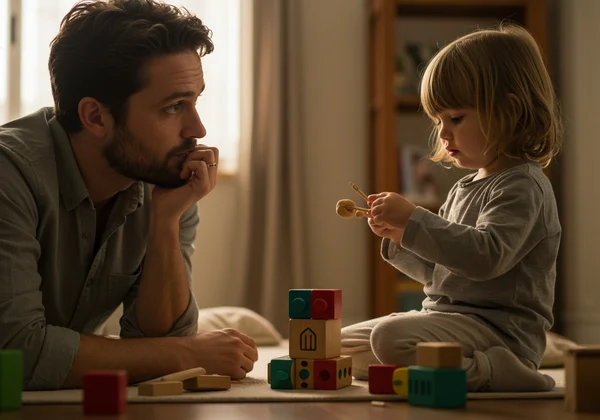
Why Early Insight into Neurodiversity Matters for Your Child
Early insights into neurodiversity in children can make a significant difference in their development and well-being. When parents gain a clearer understanding of their child's unique way of processing the world, they can advocate more effectively, seek appropriate educational strategies, and build stronger, more supportive relationships. This understanding helps foster an environment where your child feels seen, accepted, and empowered to thrive. It's about recognizing their inherent strengths and embracing their differences, not about "fixing" them. Seeking early understanding, perhaps through a parent autism screening, enables tailored support that can genuinely enhance a child's life trajectory. For more comprehensive information on Autism Spectrum Disorder, you can visit the Autism Speaks website.
Why the RAADS-R Test Is Not for Child Autism Screening
The platform offers the adult RAADS-R, not a version adapted for parents to answer on behalf of children.
How the RAADS-R Principles Apply to Younger Age Groups
While the original RAADS-R was designed for adults, its core principles – assessing social relatedness, language, sensory-motor issues, and circumscribed interests – are highly relevant when observing autism traits in children. These adult self-report questions should not be treated as a parent-completed child screening measure.
Navigating the Online RAADS-R Assessment Process
The assessment page contains the adult 80-item RAADS-R. Parents should not complete it as a child screening questionnaire.
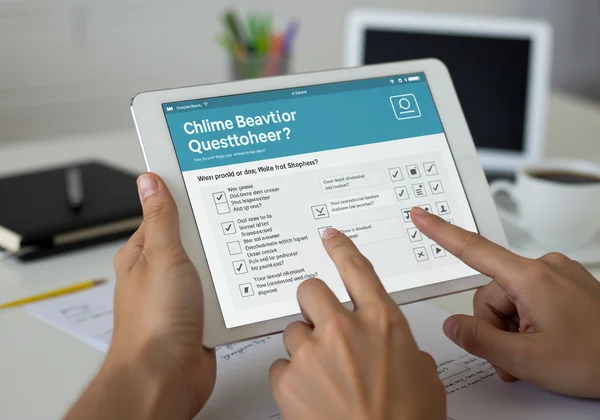
Why an Adult RAADS-R Score Cannot Be Interpreted for Your Child
The adult 80-question assessment produces a score, but it cannot be interpreted as a child's screening result.
What the Sub-Scores (Social, Language, Sensory, Interests) Indicate
The adult RAADS-R has four domains: Social Relatedness, Language, Sensory/Motor, and Circumscribed Interests; these are not validated child score interpretations.
- Social Relatedness: An adult self-report domain, not a measure of your child's social interactions.
- Language: An adult self-report domain, not a child language assessment.
- Sensory/Motor: An adult self-report domain, not a child sensory or motor assessment.
- Circumscribed Interests: This score indicates the presence and intensity of specific, often narrow, interests or repetitive behaviors.
These sub-scores should not be used to infer autism traits or support needs in children.
Enhancing Understanding with the AI Personalized Report
Beyond the immediate scores, our platform offers an innovative feature: an optional AI personalized report. An AI explanation of adult RAADS-R responses does not make the questionnaire suitable for a child. Learn more about this advanced AI analysis and deepen your understanding.

Next Steps When You Have Concerns About Your Child
Receiving an autism screening result can be an emotional experience. Remember, this test is a screening tool, a starting point for reflection, not a definitive diagnosis. The adult RAADS-R does not provide a child screening result.
Discussing Potential Traits with Your Child and Family
Open and honest communication is key. If you have concerns based on your observations, consider gently discussing these potential traits with your child, using age-appropriate language that emphasizes their unique strengths and differences rather than focusing on deficits. Sharing your insights with trusted family members can also create a supportive network. Frame it as understanding their individual profile, celebrating their neurodiversity in children, and finding the best ways to support them. A collaborative approach helps everyone feel more informed and connected.
When and How to Seek Professional Evaluation & Support
If you have concerns about your child, seek age-appropriate professional guidance rather than interpreting an adult RAADS-R result. A formal diagnosis can only be made by qualified healthcare professionals such as developmental pediatricians, child psychologists, or neurologists. They can provide a comprehensive assessment, clarify any diagnoses, and recommend appropriate interventions, therapies, and support services. Resources for finding qualified professionals can often be found through organizations like the Autism Society or the American Academy of Pediatrics. Our adult test is not designed to screen your child. We encourage you to visit our website to access more resources that can guide you through this process.
Embracing and Empowering Your Neurodivergent Child
No matter the outcome, remember that understanding your child’s traits is about empowerment. Embracing neurodiversity in children means celebrating their unique perspectives, strengths, and talents. An autistic child brings a distinct way of experiencing and contributing to the world. Focus on fostering an environment of acceptance, building on their interests, and providing accommodations that help them thrive. Your role as a parent is to be their advocate, champion, and guide, ensuring they receive the support they need to reach their full potential. This journey is about growth, discovery, and unconditional love.

Embracing the Journey: Understanding and Supporting Your Child
The RAADS-R is an adult self-report tool and should not be used as a parent-completed assessment of children or teens under 18.
Remember, this is a tool for self-reflection and preliminary insight, not a diagnostic test. Its purpose is to empower you with information, preparing you for conversations with professionals and guiding you toward appropriate support. Begin your journey of understanding and self-discovery today. The RAADS-R on our platform is for adults aged 18 and older. Your child's unique journey is waiting to be understood and celebrated.
Frequently Asked Questions for Parents About the RAADS-R Test
Is the RAADS-R Test Accurate for Children & Teens?
No. Our RAADS-R is intended for adults aged 18 and older, not for parents to screen a child or younger teen. Seek age-appropriate professional guidance.
What Does a High RAADS-R Score Mean for My Child?
An adult RAADS-R score cannot establish whether your child has autistic traits. The original measure was designed for adults aged 18 and older.
Can I Self-Diagnose My Child's Autism Using This Test?
No, you cannot self-diagnose autism for your child using this or any other online screening test. The RAADS-R inspired test is designed for self-reflection and preliminary screening purposes. Autism Spectrum Disorder can only be officially diagnosed by a qualified healthcare professional (e.g., developmental pediatrician, child psychologist) after a comprehensive clinical assessment. Our adult self-report tool is not a child screening measure.
How Does the AI Personalized Report Help Parents?
The optional AI report does not turn adult RAADS-R answers into a valid child screening result. Explore the benefits of our AI personalized report.
What's the Difference Between RAADS-R and Other Child Autism Screenings?
The RAADS-R and our online version are intended for adults aged 18 and older, not adapted for parents to assess children. Other child autism screenings (like the M-CHAT for toddlers or ADOS-2) are often developed specifically for younger age groups and administered by clinicians. Our online RAADS-R does not provide a child screening result.
Ready to explore your answers? Take the free test and see your score.
Take the Free RAADS-R Test